













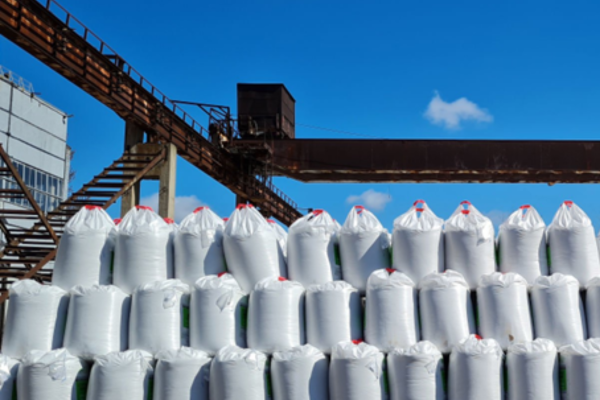
A specialty chemicals producer sought expert guidance on converting outbound deliveries from dry van truckload to dry bulk truck/rail via transload. They needed a comprehensive evaluation of the logistics operations and financial viability of this conversion, including an assessment of product handling, facility costs, transportation costs, and capital investment requirements. The project was used to determine if switching to bulk rail transport would deliver meaningful operational and financial benefits compared to the current trucking operations.
The chemicals producer engaged PLG to conduct a comprehensive modal conversion feasibility study. The engagement focused on comparing current truck operations against potential rail scenarios, with particular attention to the unique handling requirements of specialty chemical products. PLG approached the analysis through multiple lenses – operational, financial, and safety – to ensure all aspects of the conversion were thoroughly evaluated before making a final recommendation.
Services Provided
1. Assembled a team of experts in bulk transportation, safety, and material handling to evaluate the conversion opportunity
2. Guided analysis of handling characteristics of the product through material testing by an external lab and assessed both current and potential future operational requirements
3. Developed detailed financial models comparing baseline operations against multiple bulk truck/rail scenarios, including NPV analysis over 20 years
4. Obtained and evaluated rail rate estimates from Class I railroads (CSX, NS) for potential service
5. Created specifications and cost estimates for required bulk handling equipment and infrastructure at origin and destination facilities
6. Produced a comprehensive analysis of supply chain cost elements, including inbound transportation, origin handling/storage, outbound transportation, and destination handling/storage across scenarios
Results
PLG’s client received a clear, data-driven recommendation to maintain their current distribution model rather than invest in rail conversion, helping them avoid a potentially costly capital investment that would not deliver sufficient returns. Key benefits included:
- Comprehensive financial analysis showing that despite ~20% annual operating expense reduction potential, high capital investments would make rail conversion, at best, a break-even proposition financially while still providing valued Environment, Health and Safety (EHS) benefits
- Detailed evaluation of multiple distribution scenarios via combinations of equipment and modal choices
- Clear analysis of operational impacts, handling challenges, storage requirements, and labor considerations for each scenario
- High-level equipment specifications and budgetary pricing for potential future bulk handling infrastructure if market conditions change
The analysis helped the client make an informed decision about their distribution strategy while identifying opportunities to optimize their existing operations.