












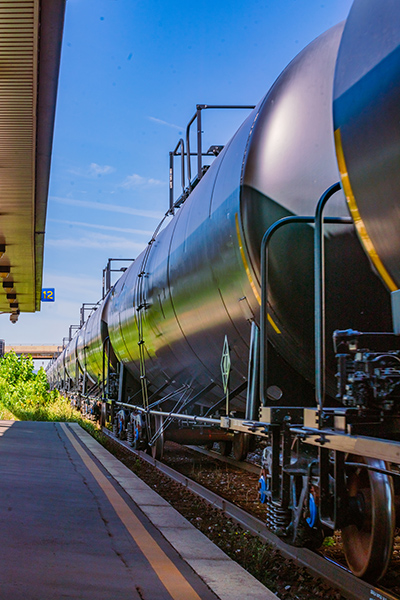
Challenge: Implementation of large–scale unit train operations from the Midwest to coastal population centers for the blending of ethanol into gasoline.
PLG Solution: Advisors to shippers on the first new wave of 21st–century tank car demand, enabling the efficient flow of 10%–ethanol blend into our nation’s gasoline supply through strategies like:
 Fleet Sizing
 Lease Optimization
 Operations Modeling
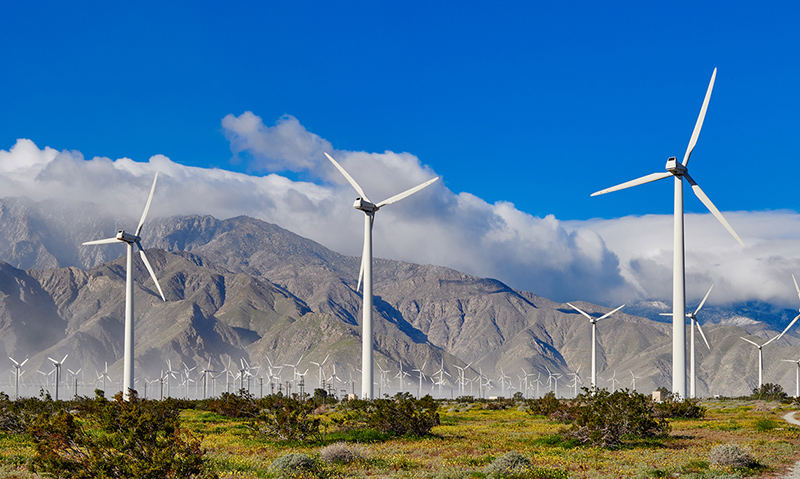
Challenge: In an early signal of the ramp–up to global utility–scale wind energy development, PLG provided turnkey procurement and project oversight for the global shipment of over 600 turbine blades within one year.
PLG Solution: Utilizing multiple modes across four continents, PLG's key innovations included the manufacture of new maritime shipping fixtures to maximize stacking and triple the number of blades per vessel.
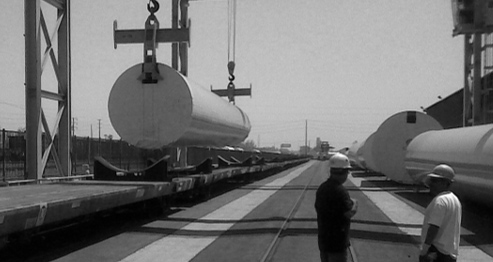
Challenge: As domestic wind turbine manufacturing ramped up in the US, wind turbine components needed more options than trucks due to limited supply, cost, and the long distances required.
PLG Solution: PLG collaborated with multiple North American wind turbine producers, Class I railroads, and project developers to implement optimized multi–modal logistics.
This included expanding the use of multi–axle flat cars for nacelles and the development of specialized fixtures and dedicated unit trains for tower segments, reducing transport costs by up to 50%.
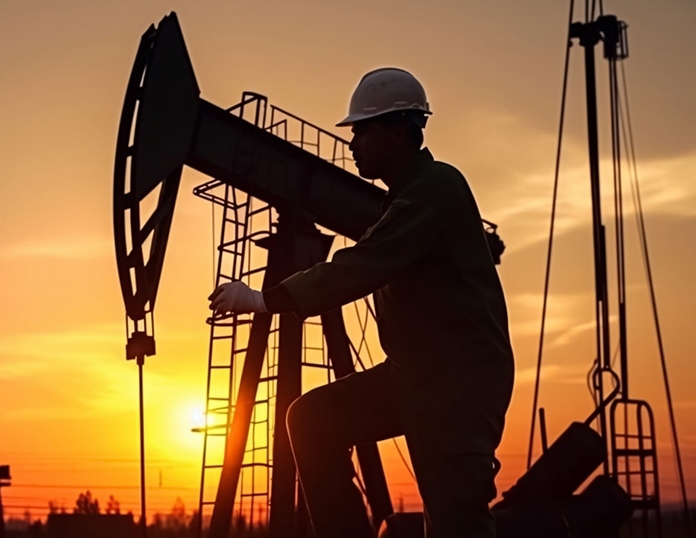
Challenge: As unconventional oil & gas was ramping up across the various US shale plays, nearly all the frac sand sought by producers was sourced from the upper Midwest.
PLG Solution: PLG collaborated with the two largest E&Ps to design, build, equip, and operate their new rail logistics operations, giving them a competitive advantage.
Large–scale implementation of rail logistics was needed, including new rail infrastructure at origin mines and destination terminals, new hopper car fleets, and unprecedented unit train operations of 150+ cars.
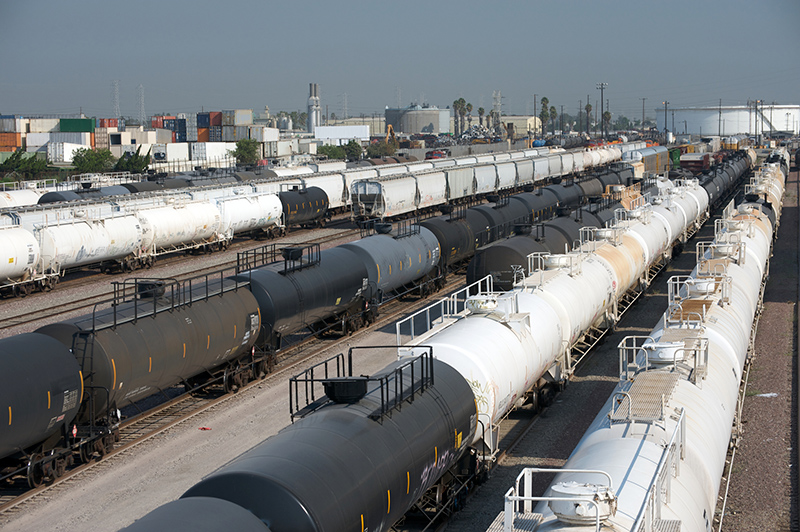
Challenge: Launching the second wave of new tank car demand, crude-by-rail quickly emerged as a critical takeaway capacity solution for surging crude production from mid-continent shale production areas while the industry awaited pipeline development.
PLG Solution: As advisors to investors and railcar suppliers, PLG helped speed the expansion of the North American tank car fleet through mechanical specifications, procurement and leasing strategies, and market forecasting.
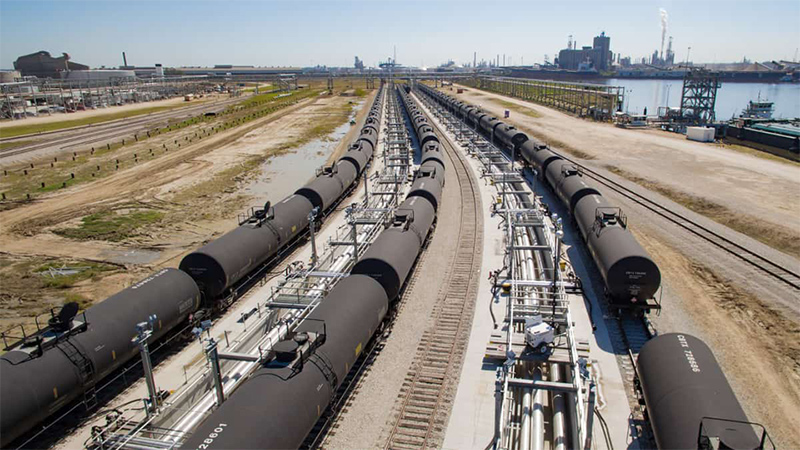
Challenge: With a surge of new rail traffic, market observers and regulators lacked visibility to the movement of energy products by rail.
 PLG Solution: PLG was engaged by the US Department of Energy's Energy Information Administration (EIA) to develop the methodology for energy-by-rail tracking and reporting across the US.
Beginning with crude-by-rail but since expanding to NGLs, pet coke, and biofuels, PLG is proud to mark ten years of direct work with EIA to fulfull its mission of providing transparent information and analysis to industry, markets, and policymakers about energy in America.
Challenge: Surging unconventional production in the US and Canada triggered an abrupt "re-plumbing" of hydrocarbon flows across the continent, necessitating the repurposing, expansion, reconfiguration, and development of new terminals and refinery receipt capability.
PLG Solution: PLG assisted numerous midstream operators and refineries with the planning, design, capex modeling and configuration of shipping and receiving capability for new large-scale volumes of crude, NGL, and refined products.
By enabling source and mode arbitrage opportunities that reduced supply costs by up to 40%, PLG helped clients gain an advantage in the new oil and gas market landscape.
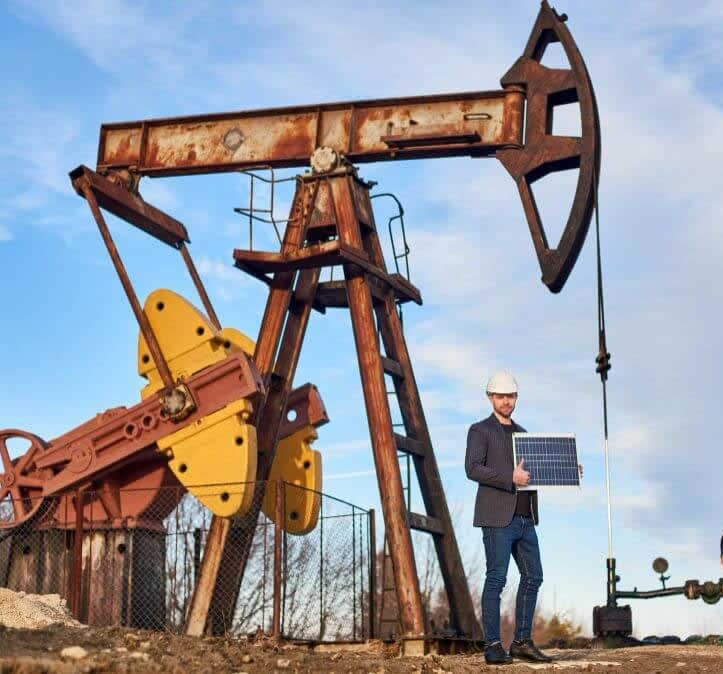
Challenge: Due to cutting–edge fracking techniques, the utilization and volume of frac sand were growing exponentially.
At the same time, the O&G producers were qualifying local sand, requiring new last–mile equipment and solutions to maximize trucking and well–site logistics.
PLG Solution: PLG advised multiple E&Ps, logistics providers, and investors to optimize last–mile delivery solutions through news and equipment, storage, and procurement strategies.
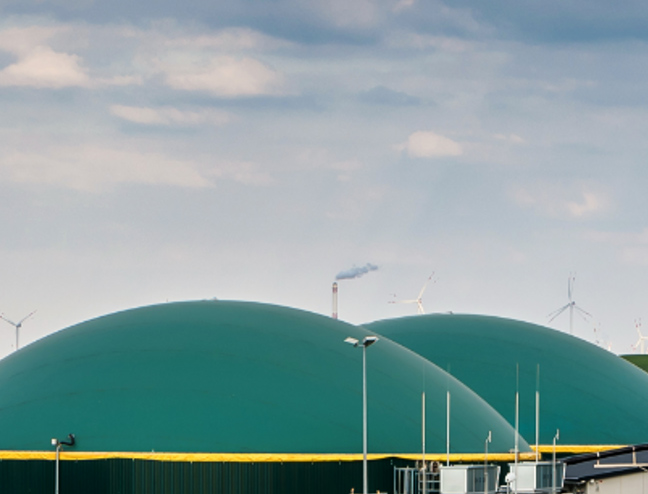
Challenge: Renewable natural gas (RNG) from organic waste and landfill gas (LFG) recovery is now a key focus in energy recovery. Policies like the Inflation Reduction Act (IRA) and California’s Low Carbon Fuel Standard (LCFS) aim to curb methane emissions, which have over 25 times the warming potential of CO₂.
RNG and LFG recovery offer opportunities and logistical challenges for delivery to end users.
PLG Solution: PLG works directly with developers, operators, logistics service providers, and investors to evaluate renewable methane recovery projects. It focuses on the economical and efficient delivery of RNG when and where it is needed.
Delivery modes include truck, rail, and pipeline platforms, depending on which is most suited to each opportunity.
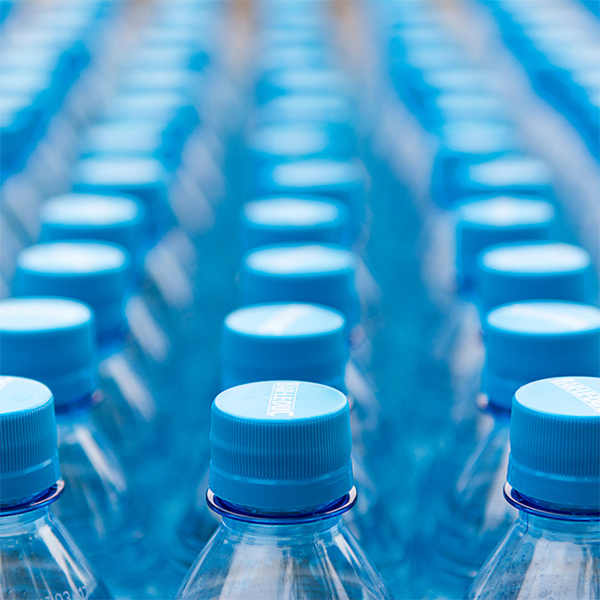
Challenge: With new technology for collecting and processing used plastic and heightened sustainability goals by major brands, significantly more waste plastic needs to be shipped for longer distances. Meanwhile, new ventures with minimal supply chain and logistics history need to ensure best–in–class operations to help support investment goals and ROI.
PLG Solution:For several leading innovators in circular economy plastics, PLG has helped optimize the inbound feed stock sourcing and logistics strategy for cost and performance.
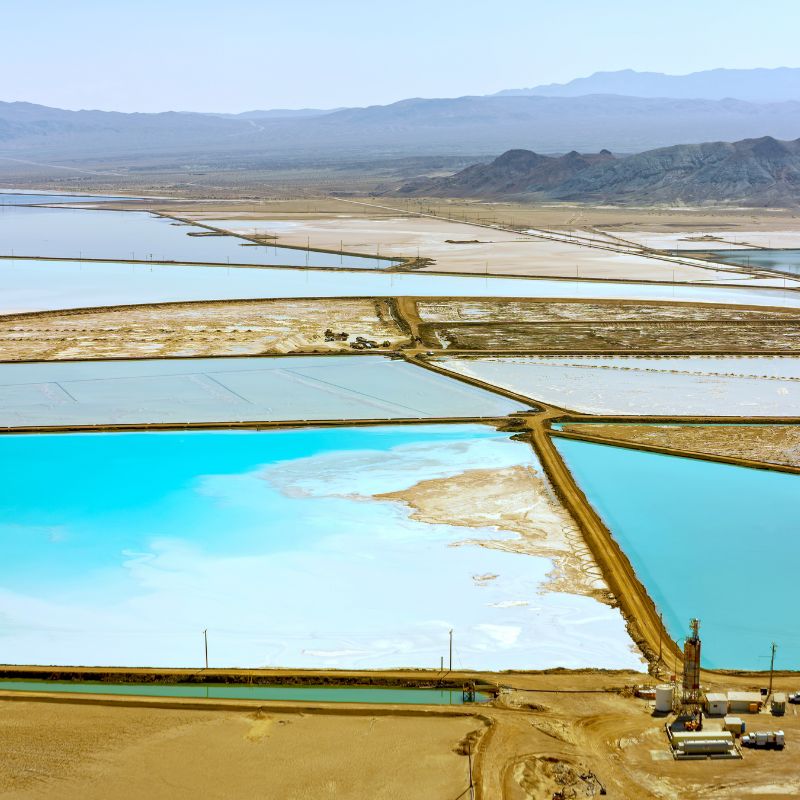
Challenge: As electric vehicle and grid storage adoption accelerates globally, manufacturers face complex logistics challenges in establishing reliable supply chains for critical battery materials like lithium, nickel, and cobalt. These supply chains require sophisticated product handling infrastructure, multi–modal transportation solutions, and careful planning to handle raw materials and finished products while maintaining operational efficiency and allowing for rapid growth.
PLG Solution: PLG has played a pivotal role in developing comprehensive logistics infrastructure and strategies for EV battery materials,
working with leading manufacturers to:
- Design rail logistics for mined and processed materials including railcar equipment, transloading sites, and competitive freight contracts
- Optimize multi–modal transport across rail, marine, and truck
- Create facility layouts to meet growing battery material demand
- Build supply chain networks connecting raw materials to processing sites
- Establish efficient closed–loop systems for battery recycling
PLG's solutions have helped manufacturers scale lithium processing capabilities while reducing logistics costs and supporting the global transition to sustainable transportation.
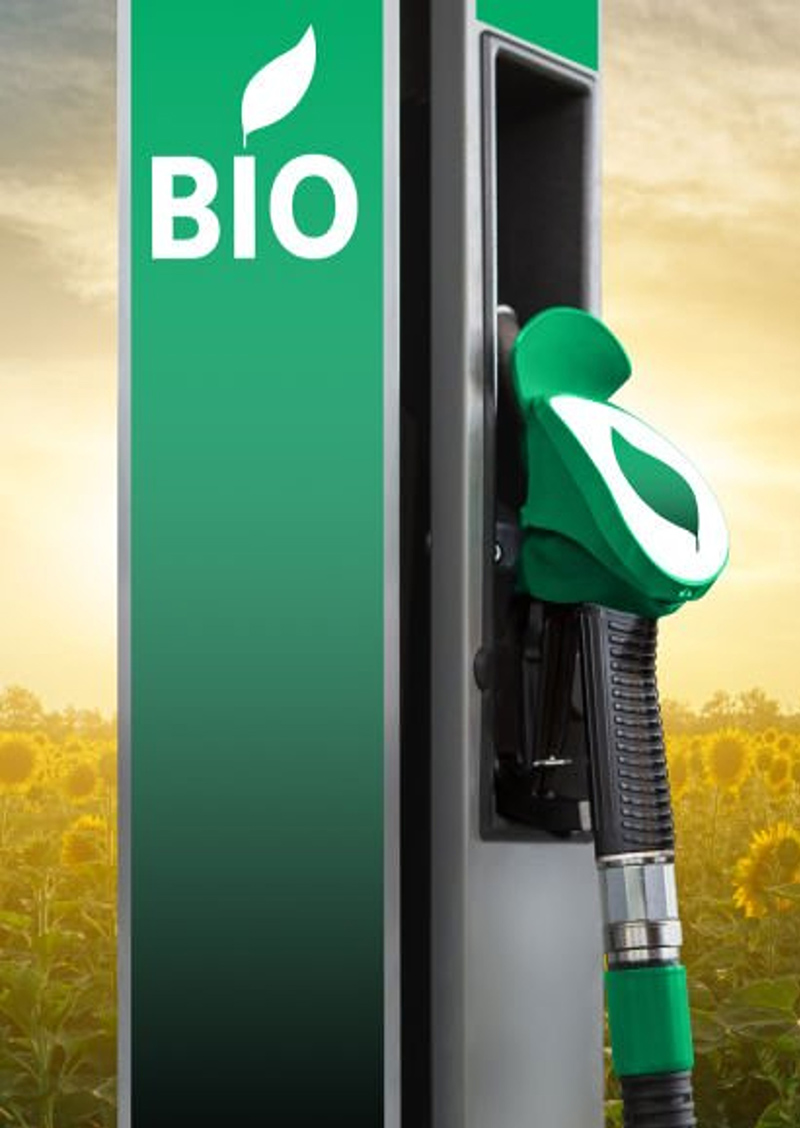
Challenge: Responding to opportunities created by West Coast and Canadian clean fuel programs (CFP and LCFS), a new supply chain for renewable diesel needed to be established. Given the feedstock requirements and lack of refined product pipelines to the West Coast, rail has been key for both inbound supply to refineries and outbound finished product.
PLG Solution: PLG has helped to develop the logistics infrastructure for terminals, refineries, and blending sites supporting the renewable diesel supply to the West Coast, which now comprises over 60% of California’s on-road diesel.
In addition, PLG has advised on network design for feedstock sourcing (DCO, UCO, soybean oil, canola oil, tallow) from domestic and international sources.
PLG also advised on logistics requirements for numerous refinery adaptations and conversions to RD, including guidance on evolving state and federal tax incentives.
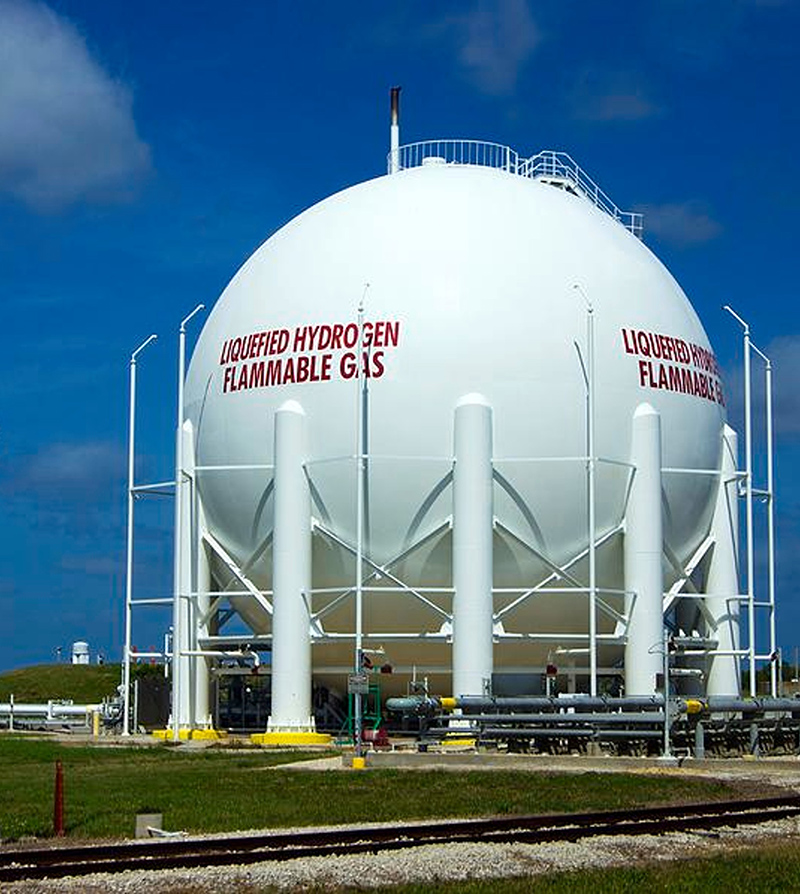
Challenge: With the tailwinds from the Infrastructure Investment and Jobs Act (IIJA), the IRA, and international demand, numerous potential producers are investigating building Green Hydrogen/Ammonia facilities in North America, which require complex site selection processes. Sites election is often influenced by logistics-related factors, including sourcing of bio intermediary feedstocks and delivery of finished products to markets.
PLG Solution: PLG advised and led site selection analysis across four U.S. regions for Green Hydrogen production and developed a comprehensive logistics management playbook.
PLG project experience also includes assisting developers in the supply chain optimization of feedstocks, green energy sources for production, and finished product delivery for ammonia and methanol.
Challenge: Carbon dioxide recovery and reuse from industrial sources are gaining traction in the U.S., driven by boosted 45Q tax credits and its use as a feedstock for renewable energy. While pipelines are the most efficient way to transport CO2, North America's network and sequestration fields face significant challenges, leaving most emitters without direct access.
PLG Solution: PLG understands the opportunity and is working with emitters and renewable energy producers who may use CO2 as a feedstock to help them know carbon capture options, delivery modes, associated costs, and revenue opportunities. Working with PLG, emitters, and renewable energy producers can and will optimize their recovery costs, supply chain challenges, and overall economics.