














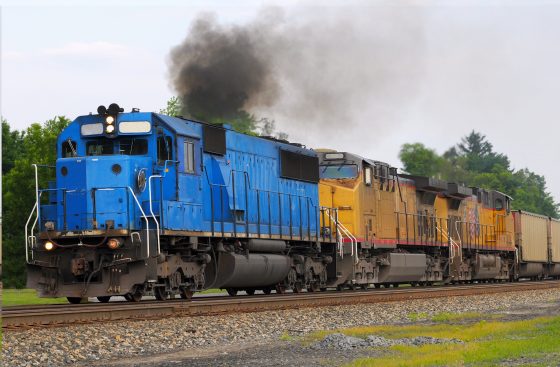
In a world increasingly focused on sustainability and reducing carbon emissions, industries across the board are facing regulatory shifts. Among these, the transportation sector, including railways, is undergoing significant changes, especially in California. Enter the “California Locomotive Carbon Emissions Compliance Information Sheet.” This document, provided by PLG Consulting, serves as a roadmap for understanding and adapting to California’s stringent regulations on locomotive emissions.
Understanding the Regulations:
California, often at the forefront of environmental initiatives, approved new regulations for locomotive emissions in April 2023. These regulations aim for an ambitious target: achieving 100% Zero-Emission (ZE) locomotives by 2047, with various milestones along the way. The compliance costs are substantial and immediate, with funds for upgrades being determined by emissions as early as 2025.
Implications Beyond California:
While California spearheads these initiatives, thirteen other states are following suit, aligning their air emissions policies with California’s standards. The push to decarbonize rail is not confined to a single state; it’s becoming a nationwide movement.
Preparing Your Organization:
PLG Consulting’s industry experts provide invaluable assistance in navigating these regulations. From understanding compliance costs to analyzing ongoing expenses and exploring alternative fuel platforms, their guidance is tailored to an organization’s goals and long-term vision.
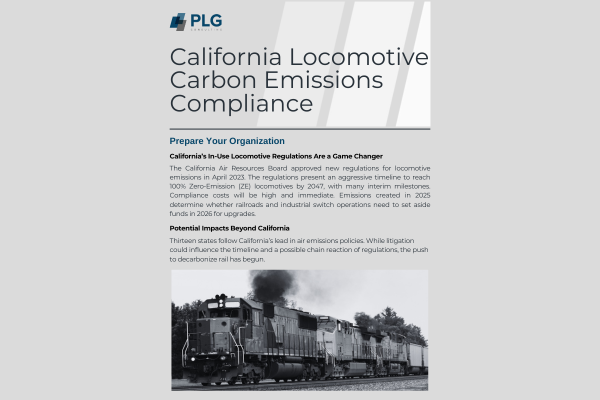
The fact sheet delves into various aspects, including fleet strategy, total cost of ownership, timing, and specifications. It also discusses Tier IV requirements and the transition timeline to Zero-Emission (ZE) fleets.
Looking Ahead:
As the locomotive industry evolves to meet these stringent regulations, the fact sheet serves as a beacon, guiding organizations through the complexities of compliance and adaptation. Whether you operate in California or a state likely to follow its lead, understanding these regulations and planning accordingly is essential for the future of rail transport. Stay informed and download our comprehensive fact sheet to delve deeper into PLG’s findings.