















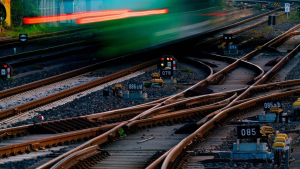
With aggregate volumes stagnating, the rail industry is under pressure to redefine itself.
As we approach the final stretch of 2024, the rail industry is at a critical juncture, facing a convergence of long-standing challenges and emerging opportunities. In recent years, the rail industry’s story has been one of persistent headwinds: financial pressures, labor shortages, and heightened safety concerns following the East Palestine, Ohio, derailment, to name just a few. The shadows cast by these difficulties continue to loom large. These challenges, however, are symptoms of deeper, structural issues that have plagued the industry for over a decade.
Since the late 2000s, aggregate rail volumes have remained stubbornly stagnant. The initial gains from Precision Scheduled Railroading (PSR), once hailed as a revolutionary approach to operational efficiency, have largely been exhausted. The industry now grapples with this model’s limitations, searching for new avenues to drive growth and profitability. This pivotal moment demands a nuanced understanding of the sector’s current state and potential trajectories.
“Railroads have long faced criticism for their perceived inflexibility and reluctance to adapt to shipper needs. However, today’s competitive landscape and changing customer expectations are driving rapid transformation in the industry. Class I railroads are actively working to enhance the customer experience, but they face significant challenges. To compete effectively with trucking, they must overcome deeply entrenched negative perceptions about rail shipping. This requires demonstrating unwavering commitment to their shippers and the markets they serve and presenting comprehensive, forward-thinking strategies that showcase their long-term dedication to the industry.“, says James Shefelbine, PLG Consulting’s Managing Director – Rail Supply Chain.
Shefelbine offers Supply Chain Xchange readers a historical view of what drove rail volumes, how these volumes have changed over time and the impact of trucking on the industry. Additionally, he offers some growth opportunities for the railroads to replace historically high coal volumes. He advises shippers to reexamine the supply chain solutions they implemented to solve pandemic and post-pandemic challenges. “It’s a great time for shippers to take advantage of the current transportation market volatility to scrutinize their transportation rates and understand the trade-offs they can make in the marketplace to decrease overall transportation costs.“, Shefelbine says.
To read the full article, click here.